
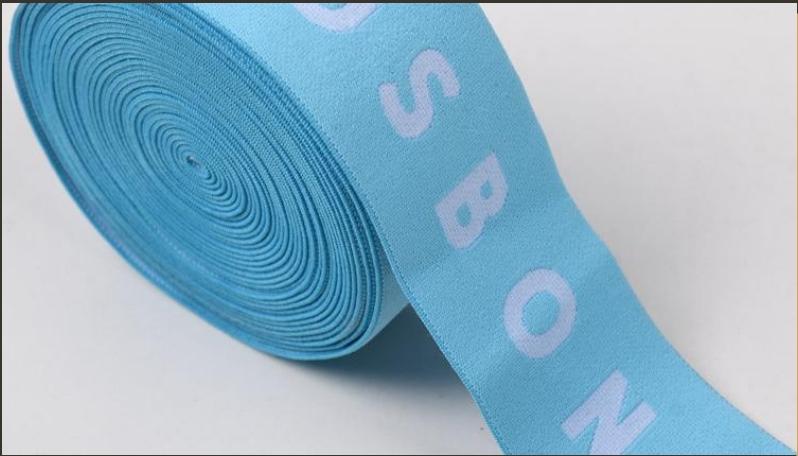
The right webbing depends on six things: function, load, stretch, environment, comfort and appearance. Define the job first, compare the available structures, then confirm the final specification through sampling.
1. Start with the application
Begin by clarifying where the webbing will be used and what it must do. A waistband, bag strap and decorative trim may look similar at first, but they place very different demands on structure and performance.
- Function: support, adjustment, closure, decoration or reinforcement.
- Movement: fixed, low-stretch or elasticity required.
- Environment: expected moisture, washing, abrasion and operating conditions.
- Comfort: softness, thickness, edge feel and skin contact.
- Appearance: color, pattern, lettering and surface texture.
Common application areas

2. Compare the main webbing types
Use the following overview to identify the most relevant starting direction. Final construction still needs to be matched to your sample and application.
| Type | Primary strength | Common role | Appearance |
|---|---|---|---|
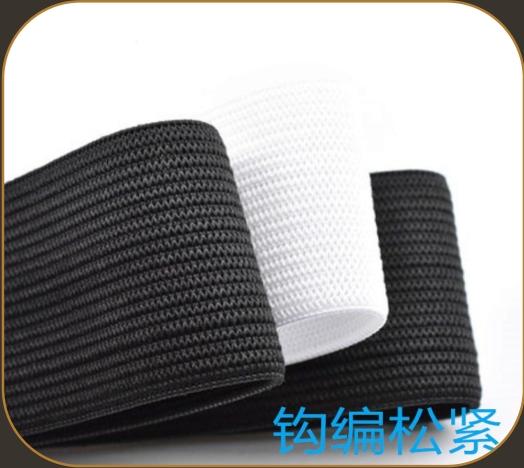
| Elastic Webbing | Stretch and recovery | Waistbands, cuffs and fitted areas | Soft to structured |
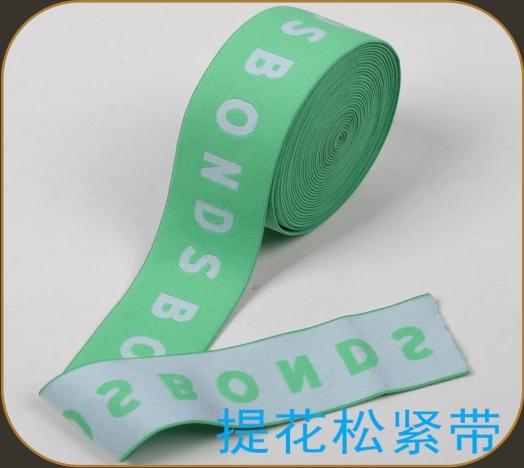
| Jacquard Webbing | Woven pattern and lettering | Branding, apparel and accessories | Textured and integrated |
| Printed Webbing | Graphic and color flexibility | Promotional details and surface graphics | Printed surface |
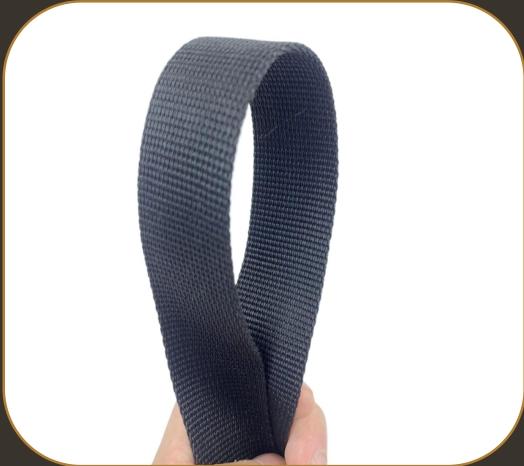
| Woven Webbing | Stable construction | Bags, straps and reinforcement | Firm and durable |
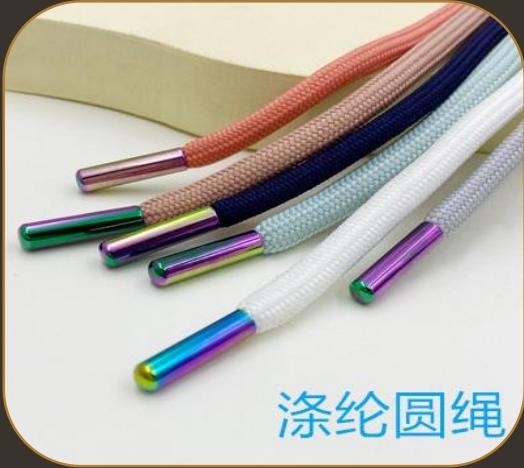
| Cords & Drawstrings | Flexible line construction | Hoods, waists, bags and closures | Round or flat |
3. Match material and construction
Material and structure work together. Rather than selecting yarn in isolation, consider how the full construction should feel, move and perform in the finished product.
- Material direction: selected according to application goals.
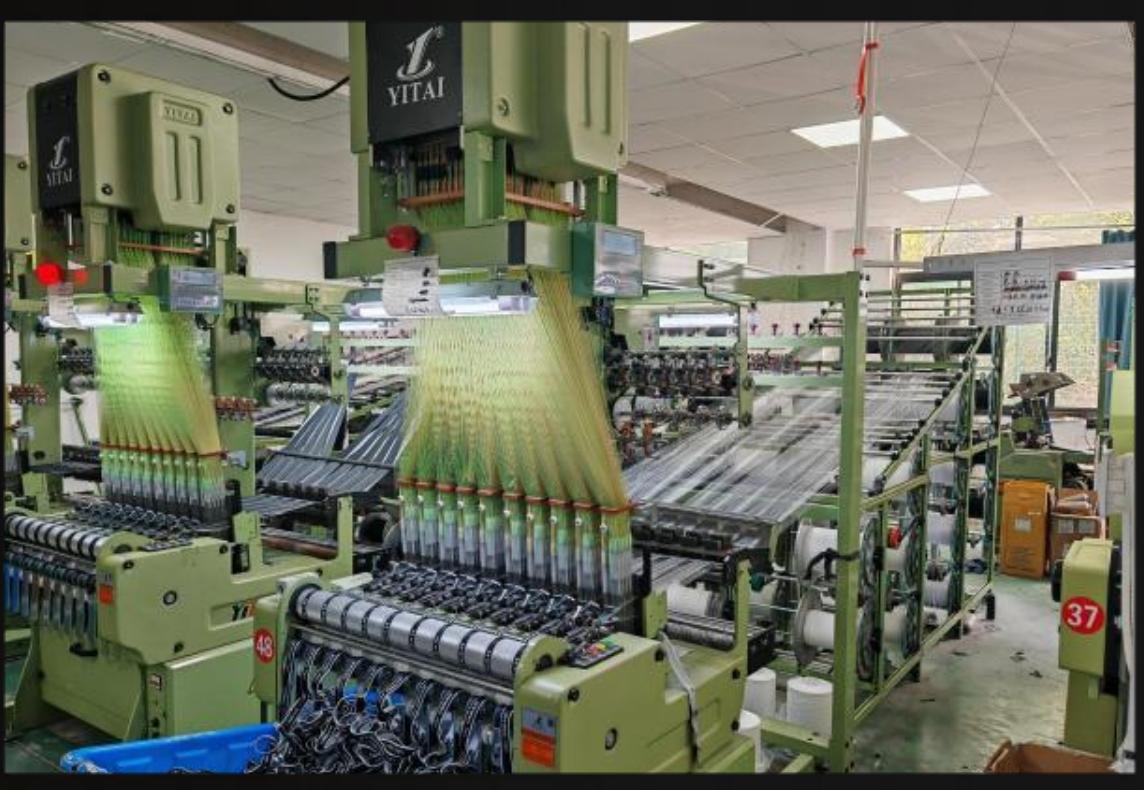
- Construction: knitted, woven, jacquard or braided.
- Elastic system: stretch level and recovery requirements.
- Width and thickness: matched to hardware and garment design.
- Finishing: confirmed for the final use and packing format.
4. Define customization requirements
Clear references make development more efficient. Share artwork, dimensions, color direction and the intended application before sampling begins.
- Artwork, lettering or repeating pattern
- Color reference and combinations
- Width, structure and stretch direction
- Compatible hardware or assembly method
- Finishing and packaging expectations
Custom Jacquard Elastic Webbing
For integrated pattern, lettering and premium product identity.
View Product5. Confirm through sampling
Sampling connects the written specification to the physical result. Review the sample in the context of the finished product before confirming mass production.
Define the job
Function, dimensions and appearance.
Compare types
Shortlist the relevant structures.
Match details
Material, color and finishing.
Sample & confirm
Review before bulk production.
RFQ Checklist
Sharing the following information helps a supplier review your project efficiently.
Frequently Asked Questions
What is the best webbing for waistbands?
The right starting point is usually an elastic construction, but the final choice depends on the required stretch, recovery, comfort, width and garment structure.
Which webbing is suitable for a branded pattern?
Jacquard webbing integrates patterns or lettering into the woven structure. Printed webbing is another option when the desired graphic treatment is better suited to surface printing.
Can webbing be customized from our artwork?
Yes. Artwork, color references, dimensions, application details and a physical sample can all help guide development.
What information should we include in an RFQ?
Include the application, width, material preference, artwork, color reference, performance requirements, target quantity, sample needs and packaging requirements.
 CustomizationColor Matching and Development
 Buyer GuideQuestions About Recycled Webbing